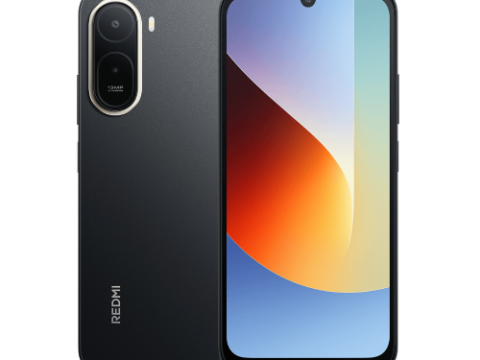
Xiaomi Redmi A5
- RAM
- 4GB | 6GB LPDDR4X (regional official options)
- Storage
- 64GB | 128GB eMMC 5.1
- Battery
- 5,200 mAh

UNISOC T7250 is a 12nm 4G chipset for mainstream and affordable smartphones. UNISOC specifies an octa-core CPU with two Cortex-A75 performance cores and six Cortex-A55 efficiency cores, paired with Mali-G57 graphics. The platform supports LPDDR4X memory, eMMC 5.1 or UFS storage, HD+ displays up to 120Hz or Full HD+ displays up to 60Hz, and a triple-core image processor. It has LTE connectivity without 5G. Actual camera, display, memory and gaming performance depend on each phone’s implementation.
The T7250 combines two Cortex-A75 performance cores with six Cortex-A55 efficiency cores and Mali-G57 graphics. It is designed for everyday calling, messaging, browsing, video and common apps in affordable 4G phones. LPDDR4X and optional UFS storage support can help responsiveness when a phone maker includes suitable memory and storage. Multitasking and sustained performance vary with the device’s RAM, storage, software and cooling.
UNISOC positions the T7250 for smoother mainstream 4G phone use, including an HD+ display option up to 120Hz. Its two Cortex-A75 cores and Mali-G57 graphics suit casual and less demanding mobile games; demanding titles may need reduced visual settings. A display’s refresh rate is not a guaranteed game frame rate. Real gameplay depends on the phone, game version, settings, memory and thermal design.
No. UNISOC lists the T7250 as a mainstream 4G platform with LTE Cat 7 downlink and Cat 13 uplink support; its official specifications do not list 5G.
It has two Cortex-A75 cores up to 1.8GHz and six Cortex-A55 cores up to 1.6GHz, paired with an Arm Mali-G57 GPU up to 850MHz.
It is suited to casual and mainstream gaming with settings matched to the phone. Demanding games may require lower graphics settings, and actual frame rates vary by device and game.
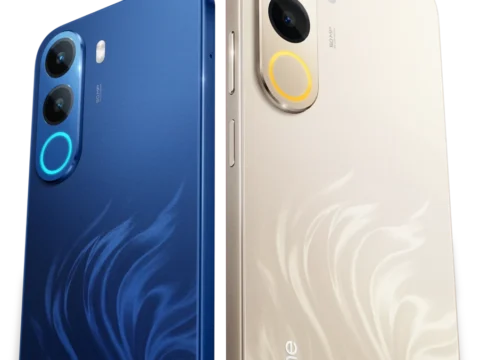
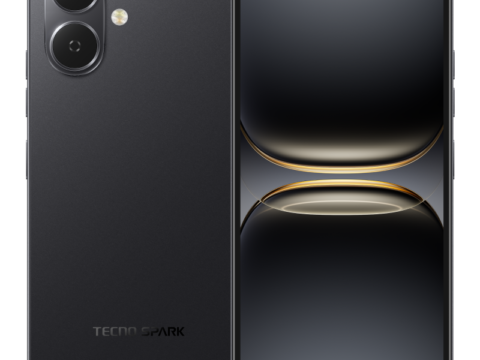
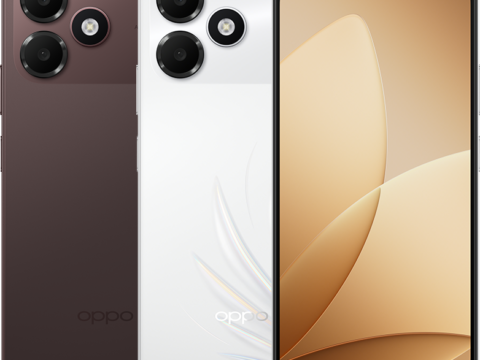
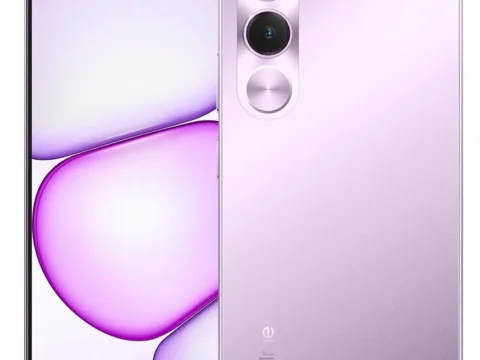
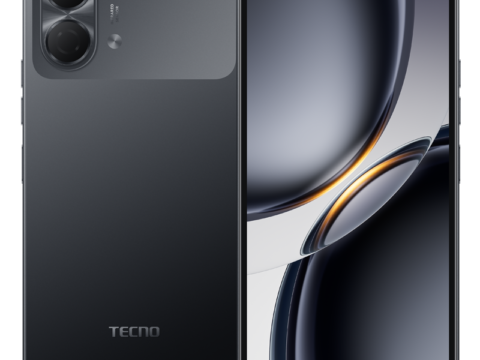
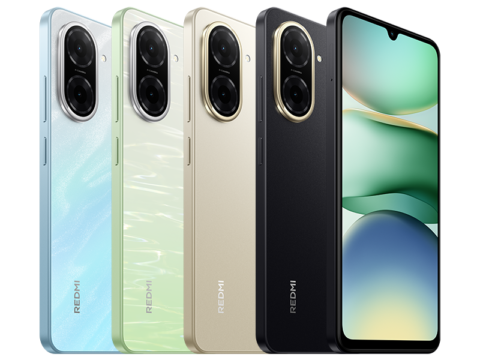
Official Xiaomi and TECNO specifications identify the Redmi A5 and SPARK Go 2 as T7250 phones. The full phone list shown here is generated dynamically from current PhonicSpecs chipset relationships.