
Verdict
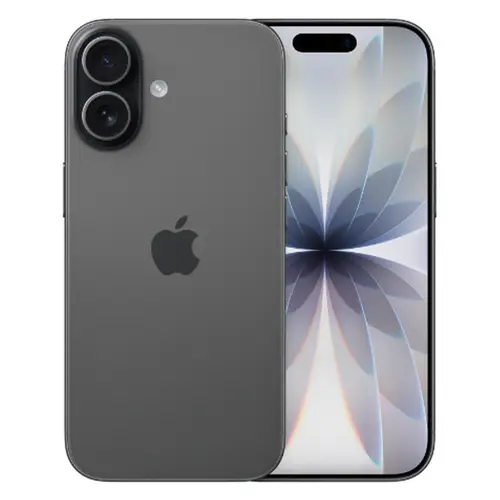
The iPhone 17 is the most complete standard iPhone in years. ProMotion, 256GB base storage, a brighter display, A19 performance and a more flexible camera system make it easy to recommend; the main reasons to move to Pro are optical telephoto reach, heavier pro-video work and faster USB data transfer.
Bottom line: the iPhone 17 is the standard iPhone finally behaving like a premium phone in the areas people notice every day. The move to a 6.3-inch ProMotion display up to 120Hz removes the most obvious gap between the regular iPhone and its Android rivals, while the A19 chip, 256GB starting storage and updated cameras make the rest of the package unusually complete.
This is a specification-led PhonicSpecs editorial review, based on manufacturer-published specifications and market context rather than a claim of hands-on laboratory testing. For the full specification table, regional prices and update history, see the Apple iPhone 17 specifications page.
Display: 120Hz is the upgrade that changes the whole iPhone 17
The headline improvement is the 6.3-inch Super Retina XDR OLED. Apple lists a 2622 × 1206 resolution at 460 ppi, Always-On functionality and ProMotion with adaptive refresh rates up to 120Hz. Apple also rates the display at up to 3000 nits outdoors, with an anti-reflective coating.
That matters because the standard iPhone no longer asks buyers to accept a visibly slower 60Hz interface just to avoid paying for a Pro. Scrolling, animations and supported games can now look and feel appropriately fluid on the mainstream model. For many buyers, this one change does more for perceived quality than another round of benchmark gains.
Performance: A19 is more power than most buyers need
The A19 combines a 6-core CPU, 5-core GPU with Neural Accelerators and a 16-core Neural Engine. The practical point is not simply that the chip is fast: the iPhone 17 has enough headroom for demanding apps, gaming, photo processing and Apple Intelligence features without making the Pro chip a requirement for ordinary premium-phone use.
The standard iPhone 17 begins at 256GB rather than 128GB, with a 512GB option above it. That makes the base configuration easier to live with for years, especially for buyers who record a lot of 4K video or keep an offline photo library.
iPhone 17 camera review: much more versatile, but still no true telephoto
The rear system uses a 48MP Fusion Main camera and a 48MP Fusion Ultra Wide. The main camera also provides a 12MP optical-quality 2x framing option, while the ultrawide supports expansive scenes and macro photography. The 18MP Center Stage front camera adds autofocus and more flexible framing for selfies and video calls.
For most everyday photography, that is a strong combination: wide, ultrawide, macro and a useful 2x crop are all covered. The limitation is reach. A sensor crop is not the same thing as a dedicated longer telephoto lens, so frequent concert, wildlife, sports or portrait shooters still have a concrete reason to consider the iPhone 17 Pro.
Video remains a major strength on paper, with up to 4K 60fps Dolby Vision recording and features including Dual Capture. Buyers doing professional capture, however, should compare the Pro model’s more advanced recording formats and faster wired transfer workflow.
Battery and charging
Apple rates the iPhone 17 for up to 30 hours of video playback and up to 27 hours of streamed video playback. The company also states that a compatible 40W-or-higher USB-C adapter can reach around 50% charge in 20 minutes, while compatible MagSafe charging can reach roughly 50% in 30 minutes with a 30W-or-higher adapter. MagSafe and Qi2 wireless charging are supported up to 25W under Apple’s stated conditions.
Those are manufacturer test claims rather than a promise of identical real-world endurance. Actual results vary with signal strength, brightness, camera use, gaming, background activity and battery age.
Design, durability and the USB limitation
The iPhone 17 uses an aluminum design with Ceramic Shield 2 on the front and carries an IP68 water- and dust-resistance rating. At 177g, it remains significantly easier to carry than very large flagship phones.
The less impressive detail is USB data speed. The USB-C port still operates at USB 2 transfer rates. That is not important for someone who mainly charges the phone and moves files wirelessly, but it can be frustrating for creators who regularly transfer large video files to a computer.
iPhone 17 vs iPhone 16: which makes more sense in 2026?
The iPhone 16 remains fast and capable, but the iPhone 17’s 120Hz display changes the value equation. Add the 256GB starting storage and newer camera package, and the 17 is easier to justify at normal current-generation pricing. The iPhone 16 becomes most attractive when retailers discount it far enough to compensate for the 60Hz display and lower base storage.
Who should buy the iPhone 17?
It is best for buyers who want a premium, manageable-size iPhone and do not need a dedicated telephoto lens or pro-grade wired video workflow. It is particularly compelling for people upgrading from an older standard iPhone because ProMotion is visible every time the display moves.
Skip it for the iPhone 17 Pro if long-range camera flexibility, advanced video formats, USB 3 transfers or other Pro-only hardware are central to how you use a phone.
PhonicSpecs verdict
88/100. The iPhone 17 earns its score by fixing the standard model’s most obvious weakness rather than by chasing a single headline specification. A 120Hz OLED, A19, 256GB base storage, a capable dual-48MP camera system and strong battery specifications make it the default iPhone recommendation for a very broad audience. The lack of a dedicated telephoto and USB 2 transfer speed keep meaningful separation from the Pro.
Pros & Cons
Pros
- 6.3-inch ProMotion display up to 120Hz
- Bright 3000-nit outdoor-rated display
- A19 performance
- 256GB base storage
- 48MP main and 48MP ultrawide cameras
- 18MP Center Stage front camera
- Strong battery-life specification
- IP68 and Ceramic Shield 2
Cons
- No dedicated optical telephoto camera
- USB-C data remains USB 2 speed
- No 1TB storage option
- Pro models offer more advanced video and zoom hardware
Frequently Asked Questions
Does the iPhone 17 have a 120Hz display?
Yes. Apple lists ProMotion with adaptive refresh rates up to 120Hz on the 6.3-inch Super Retina XDR OLED, together with Always-On display support.
Is the iPhone 17 worth upgrading to from the iPhone 16?
The biggest everyday upgrade is the display: the iPhone 17 brings ProMotion up to 120Hz, while the iPhone 16 uses a 60Hz panel. The iPhone 17 also starts at 256GB and adds newer camera and battery improvements. If your iPhone 16 is working well, the upgrade is most compelling for people who value smoother scrolling and the newer camera package.
Does the iPhone 17 have a telephoto camera?
It does not have a dedicated telephoto lens. The 48MP Fusion Main camera provides an optical-quality 2x option by cropping the sensor, but buyers who want longer optical reach should look at the Pro line.