
Verdict
A strong screen-and-camera phone held back by an ageing 4G performance platform. It is attractive when discounted, but the value case weakens quickly beside faster 5G rivals.
The Redmi Note 14 Pro sold in this PhonicSpecs record is the 4G model, and that distinction is essential. It pairs a 200MP OIS main camera, bright 120Hz AMOLED display, 5500mAh battery, Gorilla Glass Victus 2 and IP64 protection with MediaTek’s Helio G100-Ultra. On paper, that sounds like a premium mid-range formula. Independent testing, however, shows a phone whose display and build are stronger than its processor, making price the deciding factor.
Display and build: genuinely Pro-level strengths
Xiaomi equips the phone with a 6.67-inch Full HD+ AMOLED panel, 120Hz refresh rate and up to 1800 nits of advertised peak brightness, protected by Gorilla Glass Victus 2. Notebookcheck and GSMArena both regarded the display and overall build as strong points. IP64 protection is also an upgrade over basic splash-only designs.
This is one of the reasons the phone still feels more expensive than a typical 4G handset. The screen is sharp, smooth and bright enough to be a real purchase reason, not just a specification-table filler.
Performance: the weak link
The Helio G100-Ultra is efficient and perfectly usable for normal tasks, but it is closely related to the older Helio G99 family. Independent reviews repeatedly identify performance as the Note 14 Pro 4G’s main weakness relative to similarly priced 5G rivals.
That does not mean the phone is slow in ordinary use. Messaging, browsing, streaming and social apps are comfortable. The problem appears when price places the phone against newer 5G devices with substantially stronger processors. Heavy gaming, demanding editing and long-term performance headroom are therefore not its strongest arguments.
Camera: 200MP and OIS are useful, but expectations should stay realistic
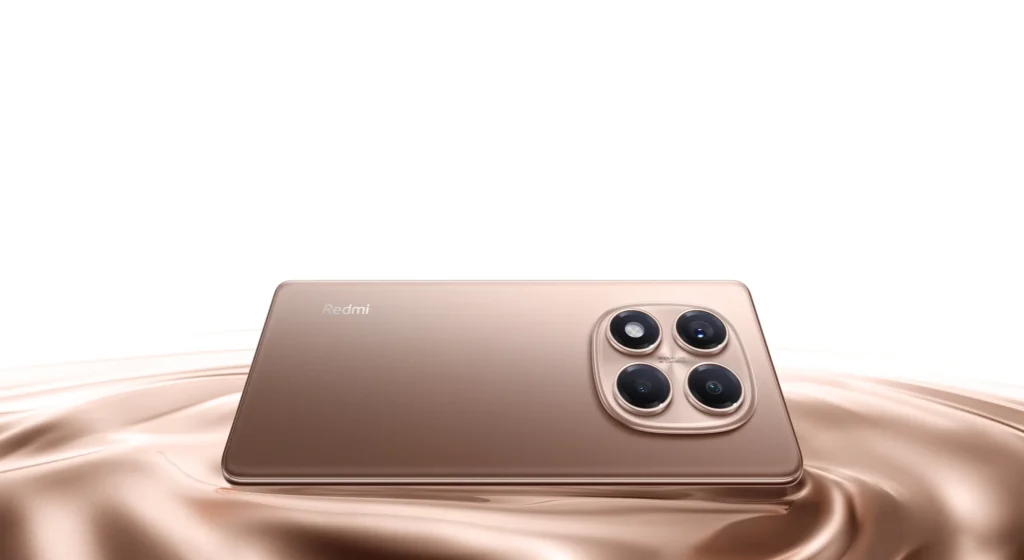
The 200MP main camera includes optical image stabilisation, which gives the hardware a meaningful advantage over unstabilised budget cameras. An 8MP ultrawide adds framing flexibility, while a small macro camera is far less important.
Independent reviews generally found the camera competent rather than class-leading. The key point is that 200MP should not be interpreted as automatically superior image quality in every condition. OIS, sensor size, processing and lighting matter more in practice. The lack of 4K video recording also weakens the ‘Pro’ label for video-focused buyers.
Battery and charging
A 5500mAh battery is larger than the previous generation’s 5000mAh unit and gives the phone solid endurance potential. Xiaomi pairs it with 45W wired charging. That is adequate, but the previous Redmi Note 13 Pro 4G actually offered faster 67W charging, so the newer model is not an upgrade in every charging metric.
Battery life was generally a positive area in independent testing, though reviewers did not treat it as exceptional relative to the battery size. Real endurance depends on brightness, refresh-rate behaviour, signal strength and app load.
Software, storage and connectivity
The phone launched with Android 14 and Xiaomi HyperOS. It also keeps practical features that are disappearing elsewhere: expandable storage through a hybrid slot, a 3.5mm headphone jack, infrared and NFC on supported regional versions.
The fundamental limitation remains network support. This model is 4G only. Buyers who keep a phone for several years should compare the live Pakistan price with the Redmi Note 14 Pro 5G and other 5G alternatives before deciding.
Is Redmi Note 14 Pro 4G worth buying in Pakistan?
It makes sense for buyers who prioritise the display, 200MP OIS camera, expandable storage and familiar Redmi features more than raw processing power or 5G. It becomes difficult to recommend if its price sits too close to faster 5G phones.
In other words, this is a good phone with an awkward market position. The hardware you touch every day—the screen, build and main camera—is appealing. The hardware that determines long-term performance—the chipset and network platform—is much less ambitious.
Review methodology
PhonicSpecs based this editorial assessment on Xiaomi’s official Pakistan/global specifications and independent testing from GSMArena and Notebookcheck. Their laboratory observations are treated as external evidence, not PhonicSpecs measurements. This review specifically covers the 4G/LTE model and should not be merged with Redmi Note 14 Pro 5G test results.
Pros & Cons
Pros
- Bright 120Hz AMOLED display
- 200MP main camera with OIS
- Gorilla Glass Victus 2
- IP64 protection
- 5500mAh battery
- microSD and 3.5mm jack
Cons
- 4G only
- Helio G100-Ultra performance is modest for the price
- No 4K video
- 45W charging is slower than the previous Pro 4G
- Macro camera adds little value
Frequently Asked Questions
Is Redmi Note 14 Pro 4G or 5G?
This PhonicSpecs review is for the Redmi Note 14 Pro 4G model powered by MediaTek Helio G100-Ultra. It does not support 5G.
Does Redmi Note 14 Pro have OIS?
Yes. The 4G model uses a 200MP main camera with optical image stabilisation.
Is Redmi Note 14 Pro 4G good for gaming?
It handles casual and moderate gaming, but independent testing shows the Helio G100-Ultra is not competitive with stronger 5G mid-range chipsets for demanding games and heavy workloads.